There’s a specific freedom that comes with a motorhome: the scenery changes outside the window while the comforts inside remain familiar. For many, a motorhome is an invitation to slow travel, spontaneous weekends, and a life that balances adventure with creature comforts. This guide walks you through everything that matters—types, layouts, systems, buying and converting, daily living, and the practical habits that make motorhome life work. Read it as a roadmap, a troubleshooting manual, and a collection of real-world tips that will save time, money, and headaches.
Why a Motorhome?
People choose motorhomes for different reasons: to chase sun and surf, to explore national parks, to downsize permanently, or to make work-from-anywhere truly mobile. Unlike tow trailers, motorhomes combine driving and living into a single vehicle, which makes spontaneous relocations simple and reduces setup time at campsites. You’ll find solitude deep in the backcountry or convenience at an urban campground; the motorhome is simply a platform for choice.
Types of Motorhomes
Motorhomes come in a handful of categories, each suited to different lifestyles. Understanding the differences helps you match needs and budget to reality.
Classes and Campervans
| Type | Typical Size | Best For | Pros | Cons |
|---|---|---|---|---|
| Class A | 26–45 ft | Full-time living, long trips | Spacious interiors, large tanks, luxury features | Fuel consumption, parking & maneuverability |
| Class C | 20–33 ft | Families, balanced travel | Over-cab sleeping, good storage, easier to drive than Class A | Smaller living space than Class A, still large for city use |
| Class B / Campervan | 16–22 ft | Solo or couple adventurers, urban travel | Highly maneuverable, fuel-efficient, stealth camping | Limited standing room and amenities |
| Converted Van | Varies | DIY enthusiasts, custom layouts | Tailored features, cost control | Time-consuming, variable build quality |
Each type has trade-offs. Class A feels like a studio apartment on wheels; Class B fits into a parking space. Choose based on travel style, driving comfort, and the places you want to go.
Layout, Floorplans and Living Spaces
Floorplans define how you use space: where you sleep, prepare food, and store equipment. Think in zones—sleeping, cooking/dining, bathroom, and storage. Good layouts cluster plumbing to save weight and plumbing runs, and they place seating where windows provide views. The trick is to balance storage against living space; too many cabinets can make a rig feel cramped, while too few lead to clutter.
Typical Layouts and Who They Suit
- Rear bedroom with center walkway: comfortable for couples, offers privacy and storage.
- Convertible dinette/sofa beds: maximize daytime space; best for occasional overnight guests.
- Bunk layouts: ideal for families or groups with kids and gear.
- Wet bath (combined shower/toilet): space-efficient for vans and compact motorhomes.
- Full bathroom with separate shower: common in larger models and preferable for long-term living.
When examining floorplans, sit and simulate daily routines—make coffee, cook a simple meal, and open the wardrobe to see if the layout feels natural. Storage access while underway is another consideration: overhead bins should be secure, and heavy items need low, accessible storage to maintain center of gravity.
Weight, Balance, and Legal Limits
Weight isn’t just a spec on a sticker; it decides what you can safely carry, how the motorhome handles, and whether you exceed licensing requirements. Gross Vehicle Weight Rating (GVWR) is critical: it’s the maximum the vehicle is designed to weigh. Payload is how much you can add after accounting for the vehicle’s empty weight and fluids. Overloading affects braking, steering, suspension, and longevity.
Key Weight Tips
- Know your GVWR, axle ratings, and cargo carrying capacity (CCC).
- Distribute weight low and centered: heavy items over axles, not all at the rear.
- Keep a running inventory and weigh your fully loaded rig—many truck stops offer public scales.
- Monitor tire pressure when loaded; follow manufacturer recommendations for inflation with load.
Power Systems: Electrical Basics for Motorhomes
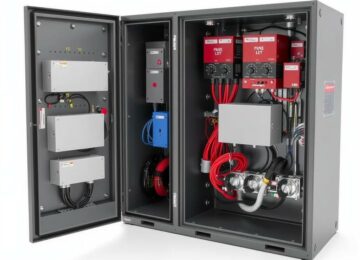
Understanding on-board power unlocks a lot of independence. Motorhomes usually have a 12V house battery system, an inverter to run AC appliances, shore power for campsite hookups, and increasingly, solar arrays. Each element ties into lifestyle choices: more battery capacity and solar equals less reliance on campsites.
Components and Considerations
- House batteries: deep-cycle AGM, gel, or lithium. Lithium offers weight savings and usable capacity but costs more upfront.
- Inverter: converts 12V DC to 120/230V AC to run household appliances. Pure sine wave inverters are best for sensitive electronics.
- Charger/Converter: charges house batteries from shore power and supplies 12V circuits while plugged in.
- Solar: panels, charge controller (MPPT preferred), and wiring. Solar reduces generator runtime and opens up boondocking possibilities.
- Generator: gasoline or diesel; useful for high-draw appliances or backup charging, but noisy and fuel-intensive.
| System | Common Specs | When Needed |
|---|---|---|
| House Battery | 100–400 Ah (lead-acid) / 100–300 Ah (LiFePO4) | Extended off-grid stays |
| Solar | 200–600 W typical in RVs | Reduce generator use; boondocking |
| Inverter | 1000–3000 W | Running coffee maker, microwave, small appliances |
| Generator | 2–6 kW | High loads or emergency power |
Decide early whether you prioritize quiet boondocking with a larger battery/solar setup or prefer simpler shore power reliance and occasional generator use. Upgrade paths are common—start modest, then expand solar and battery as budget and needs evolve.
Plumbing, Fresh Water, Gray & Black Tanks
Water systems are surprisingly central to comfort. Fresh water capacity, pump reliability, and tank sanitation determine how long you can go between hookups and how pleasant life in a motorhome feels.
Practical Plumbing Notes
- Fresh water tanks commonly range from 20 to 100+ gallons; larger tanks add weight.
- Water pumps are usually 12V diaphragm pumps; keep a spare or know the pump’s service intervals.
- Gray water holds sink and shower drains; black water holds toilet waste and requires careful handling.
- Use proper chemicals and tank maintenance to reduce odor and breakdown solids—flush lines after use.
- Consider adding a macerator toilet or pump-out interface if you plan remote camping and tank-emptying challenges.
Winterizing plumbing is essential if you’ll be camping in freezing conditions. Draining tanks, adding RV antifreeze, and insulating exposed lines protects components and prevents costly repairs.
Heating, Cooling, and Insulation
Comfort is climate management. Rooftop air conditioners drain power but provide daytime comfort in summer; diesel or propane heaters keep things warm in colder months. Effective insulation and good window covers reduce energy use and increase comfort.
Options and Strategies
- Rooftop A/C: efficient while connected to shore power or inverter, but power-hungry off-grid.
- Propane furnace/diesel heater: efficient for cold climates; diesel heaters tie into the vehicle fuel supply.
- Insulation: thicker walls and insulated windows matter for year-round use—consider upgraded window coverings or reflective screens.
- Ventilation: roof vents, fans, and screened windows prevent condensation and improve air quality.
Small investments like insulated tank wraps, heated pads for tanks, and quality window covers can extend the camping season while limiting generator runtime.
Driving, Handling, and Practical Road Skills
Driving a motorhome is different than driving a car. You’ll contend with height, length, limited rear visibility, and different braking dynamics. Practice reduces anxiety; a few focused hours of quiet driving on varied roads will shorten the learning curve.
Driving Tips
- Practice turning: wide turns are necessary to avoid curbs and obstacles.
- Watch heights: know the vehicle height with antennas and air conditioning in place; overhangs and low bridges wait for mistakes.
- Maintain safe following distances: heavier rigs need more braking distance.
- Use mirrors and backup cameras: supplement mirrors with a spotter when reversing into tight spots.
- Plan routes for clearance, weight limits, and narrow roads. GPS units built for RVs account for size restrictions.
Licensing rules differ by region. Some motorhomes require a commercial or special license once weight exceeds thresholds, while smaller campervans are driven with a standard car license. Check local laws before purchase and long trips.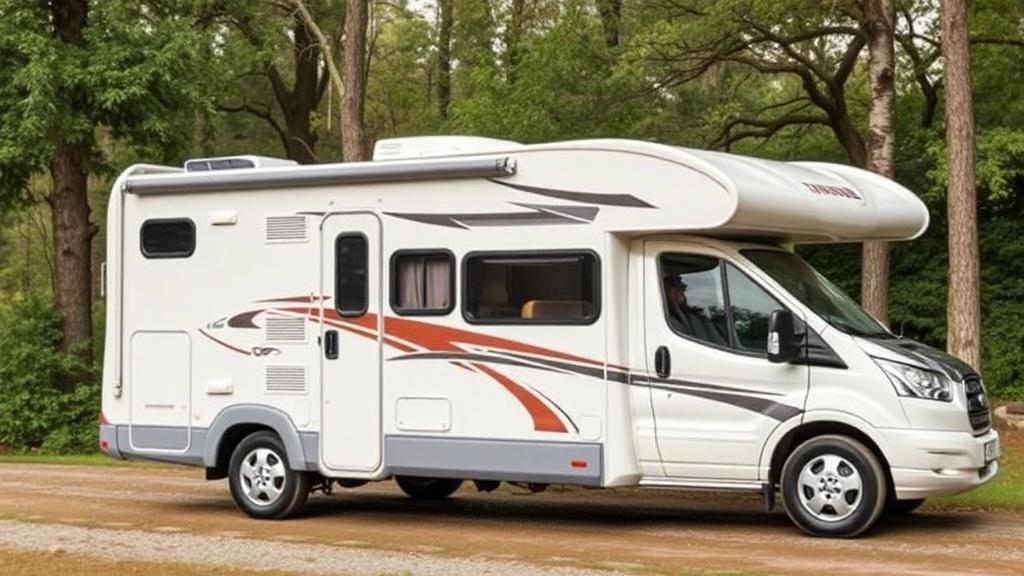
Buying New vs. Used
Budget, timeline, and tolerance for repairs guide the choice. New motorhomes come with warranties, the latest amenities, and predictable systems. Used rigs can be far cheaper but demand inspection and likely repairs. Either way, a careful checklist and an independent inspection are crucial.
Buying Checklist
- Inspect roof seams and seals for leaks—water damage is a common and expensive problem.
- Test all appliances, plumbing, heat/AC, and electrical systems on shore power and battery power.
- Check engine and chassis history for service records, rust, and accident damage (for motorized units).
- Examine underfloor and cabinet interiors for soft spots or staining indicating past leaks.
- Confirm title status, liens, and an accident report if available.
- Consider a pre-purchase inspection by an RV-specific mechanic or technician.
For used rigs, budget for immediate upgrades like new tires, battery replacement, and fresh seals. Set aside 10–20% of the purchase price for maintenance and upgrades during the first year of ownership.
Converting a Van: A Primer
Van conversions remain popular because they balance cost, stealth, and maneuverability. A conversion requires planning: layout, electrical, plumbing, insulation, and often custom cabinetry. Pros and DIY options both exist, but the complexity should not be underestimated.
Steps to Convert
- Define your priorities: full-time vs. weekend use, cooking needs, and climate range.
- Plan the layout with storage and structural needs in mind—avoid covering structural points with heavy cabinets.
- Install insulation and vapor barriers to control condensation and temperature.
- Run electrical wiring first: batteries, fusing, inverter, and solar inputs.
- Install plumbing if needed: compact sinks, foot-pump or electric pumps, and small water heaters.
- Test for leaks, rattles, and electrical faults before finishing with cabinetry and cushions.
Time investment is large but the payoff is a personalized space. For many, the conversion process also builds valuable skills for ongoing maintenance and upgrades.
Costs and Budgeting
Costs vary wildly. New Class A motorhomes can cost six figures; compact campervans and used conversions can be bought for tens of thousands. Beyond purchase price, factor in fuel, insurance, campsite fees, maintenance, and unexpected repairs.
| Expense | Typical Annual Cost | Notes |
|---|---|---|
| Fuel | $2,000–$8,000+ | Depends on miles, diesel vs gasoline, and vehicle efficiency |
| Insurance | $600–$2,000+ | Varies by value, use, and driving record |
| Maintenance & Repairs | $1,000–$5,000+ | Tires, brakes, appliances, and systems upkeep |
| Campsite Fees | $500–$3,000+ | Depends on frequency of camping and type of campgrounds |
Plan for a contingency fund for breakdowns or seasonal upgrades. Regular maintenance often prevents costlier failures—but not all surprises can be avoided.
Camping Styles: Hookups, Boondocking, and Stealth
How you camp affects equipment priorities. Hookup camping uses shore power, water, and septic—convenient but often costly. Boondocking means dry camping without hookups; batteries, solar, and efficient appliances become essential. Stealth camping focuses on blending into urban or public parking areas, typically done with a campervan.
Boondocking Tips
- Conserve water and power; plan showers and cooking accordingly.
- Choose dispersed sites legally—respect private property and local rules.
- Disperse weight on soft ground; use leveling blocks carefully.
- Keep generator use limited out of respect for solitude and noise ordinances.
Each style has etiquette—leave no trace, pack out trash, and be mindful of noise and generator hours. A respectful approach preserves access and peace for everyone.
Safety, Security, and Emergency Gear
Safety is both prevention and preparation. A few thoughtful items and habits drastically reduce risk and improve recovery when problems arise.
Essential Safety Items
- Fire extinguisher(s) and a working smoke/CO detector for every sleeping area.
- Roadside kit: high-visibility vest, cones, basic tool kit, and spare fluids.
- First aid kit tailored for the number of occupants and planned activities.
- Tire pressure monitoring and a quality jack appropriate to vehicle weight.
- Secure locks, motion lights, and window shades for privacy and theft deterrence.
Practice emergency procedures: how to shut off gas, where the main battery disconnect is, and how to use a fire extinguisher. Awareness and drills reduce panic in unexpected moments.
Tech, Connectivity, and Entertainment
Modern motorhomes blend comfort with connectivity. Satellite internet and cellular boosters keep you online for work or streaming, while compact entertainment systems make evenings pleasant. Integrating tech should be deliberate: place antennas on reinforced roof points, route cables for easy access, and use surge protection on shore power.
Connectivity Solutions
- Cellular boosters amplify weak signals—useful in rural or forested areas.
- Mobile routers and dual-SIM setups provide redundancy.
- Satellite systems offer coverage where cellular fails but add cost and complexity.
- Smart-home integrations: monitor tanks, batteries, and temperatures from your phone for convenience.
Smart monitoring saves time and worry. A single app can show battery state, tank levels, and generator hours—data that fosters better decisions and prevents surprises.
Maintenance: A Practical Schedule
Regular checks keep systems reliable. A simple maintenance rhythm—pre-trip, monthly, and seasonal—keeps issues small and manageable.
| Task | Frequency | Notes |
|---|---|---|
| Check tires & pressures | Each trip | Inspect for uneven wear and sidewall damage |
| Oil & filter | Every 5,000–7,500 miles (engine type dependent) | Follow chassis manufacturer schedule |
| Test batteries & clean terminals | Monthly | Check electrolyte on flooded batteries, monitor voltage |
| Inspect seals & roof seams | Seasonally | Re-seal any compromised caulking to prevent leaks |
| Flush water tanks & sanitize | Every 3–6 months | Prevent bacteria buildup |
Document maintenance in a logbook or app—dates, odometer, and performed work. That record improves resale value and simplifies future planning.
Packing and Pre-Trip Checklists
Preparation reduces stress. Create checklists for departure, on-road breaks, and arrivals. Repetition makes packing efficient and nothing essential gets left behind.
Short Pre-Trip Checklist
- Secure all cabinets and loose items.
- Check tire pressures and fluid levels.
- Propane check and leak inspection.
- Verify battery charge and shore power connections (if applicable).
- Confirm you have necessary paperwork, insurance, and registration.
Common Problems and Quick Fixes
Small problems are inevitable: a water pump that stops, a blown fuse, or a generator failing to start. Knowing common causes and quick fixes will get you back on the road faster.
Troubleshooting Tips
- Water pump stops: check fuse, pressure switch, and water level in the tank.
- 12V systems dead: test battery voltage, check main fuses and disconnects.
- AC won’t run off inverter: confirm inverter is on, check battery voltage, and look for inverter error codes.
- Generator trouble: check fuel, oil level, air filter, and spark plug before calling a technician.
Keep a small stock of spare fuses, a multi-meter, hose clamps, and commonly used parts. Those inexpensive items often solve the most frequent problems.
Campground Etiquette and Legalities
Campground culture favors low-impact behavior. Quiet hours, pet control, and respectful generator use keep campsites pleasant. Laws vary for parking and overnight stays: some municipalities strictly prohibit overnight parking, while others welcome RVs in designated areas. Always check local regulations, and when in doubt, seek permission.
Resale, Depreciation, and Long-Term Value
Motorhomes depreciate, though certain well-maintained models and classes hold value better. Up-to-date maintenance records, recent upgrades, and clean interiors increase resale appeal. Lithium batteries and fresh solar arrays are marketable upgrades—but weigh their cost against potential resale gains.
Final Practical Tips
- Learn basic RV plumbing and electrical troubleshooting; it saves time and money.
- Practice packing to distribute weight and avoid last-minute adjustments.
- Join local or online RV communities for real-world tips, campground intel, and support.
- Keep a spare key and duplicate documents in secure locations; losing keys on the road is easier than it sounds.
- Remember: less is often more. Clutter makes small spaces feel cramped and increases movement-related risks when driving.
Conclusion
Owning and living in a motorhome is both a technical endeavor and a lifestyle choice: it requires knowledge of systems and a willingness to adapt, but it rewards with mobility, flexibility, and the privilege of waking up in new places. Choose the right type for your travel goals, respect weight and maintenance needs, and invest in systems that match how you camp—shore power for comfortable hookups, or batteries and solar for true off-grid freedom. Practice driving skills, learn basic repairs, and maintain a checklist-driven routine for safety and peace of mind. With thoughtful preparation and a steady maintenance rhythm, a motorhome becomes more than a vehicle; it becomes a reliable companion that carries you to better mornings, interesting routes, and the kind of small discoveries that turn into lasting memories.